Proudly serving Tucson, Oro Valley, Marana, Sahuarita, Green Valley, Vail & surrounding areasCall or Text 24/7: +1 (520) 567-5263

Emergency Towing in Flowing Wells, AZ for Roadside Assistance & Transport

Tucson Towing Co. provides 24/7 emergency towing and roadside assistance throughout Flowing Wells, Arizona. Our services include flatbed, motorcycle, light duty, medium duty, and heavy duty towing. We also handle accident recovery, long distance towing, and car lockout and jump start calls. Dispatchers match the truck and equipment to the vehicle and situation before a driver heads out.

Flowing Wells combines older residential streets, industrial yards near the rail line, and busy corridors such as Flowing Wells Road, La Cholla Boulevard, and the I-10 frontage roads. Summer temperatures above 105 degrees can stress batteries, tires, and cooling systems, while monsoon flooding can leave vehicles in soft, saturated wash areas. Our dispatchers ask focused questions about the vehicle and location so they can route suitable equipment on the first call. That preparation reduces avoidable delays when a driver is stranded in traffic or desert heat.

Flowing Wells is a Pima County census-designated place that recorded 16,419 residents in the 2010 census. Our coverage follows the Flowing Wells Road corridor, Ruthrauff Road, Miracle Mile, Romero Road, and surrounding northwest Tucson routes.

★ ★ ★ ★ ★4.9/5 Average Rating - 20+ Years of Experience - Flowing Wells Towing Company Specialists - Residential & Commercial
Towing Services

Towing & Roadside Services in Flowing Wells, AZ

Choose roadside help for a problem that can be handled where the vehicle sits, or request a tow when the vehicle needs transport, specialized loading, or recovery. We serve residential streets, commercial lots, industrial areas, and major corridors throughout Flowing Wells. Coverage also reaches nearby areas named in our service region, including Casas Adobes, Marana, and Oro Valley, AZ .

Emergency Towing

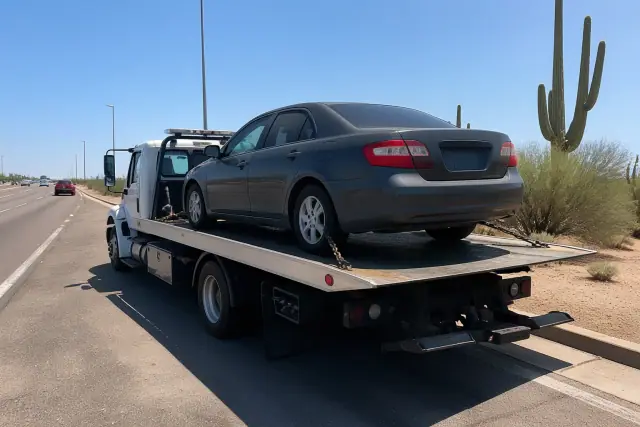
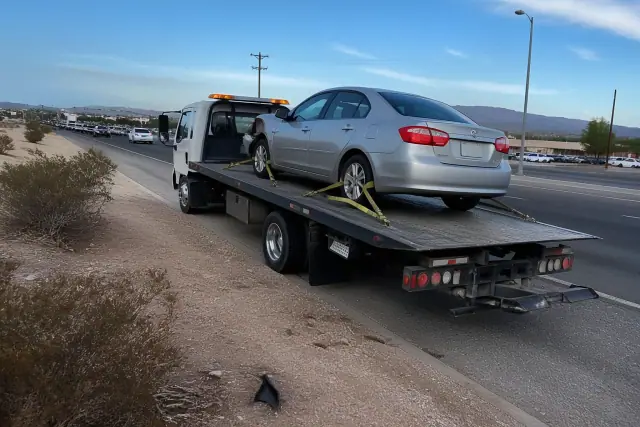
A flatbed tow truck with a disabled sedan secured on the back on a roadside in Flowing Wells, AZ, near saguaro cacti.

Our 24/7 dispatch answers overnight, weekend, early-morning, and daytime towing calls across Flowing Wells. A call at 3 a.m. receives the same intake process as a call at 3 p.m., so the dispatcher can route a truck without waiting for a shift change.

Explore Service

Roadside Assistance

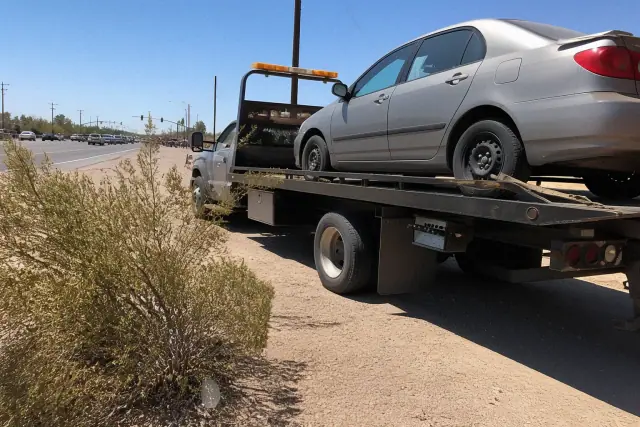
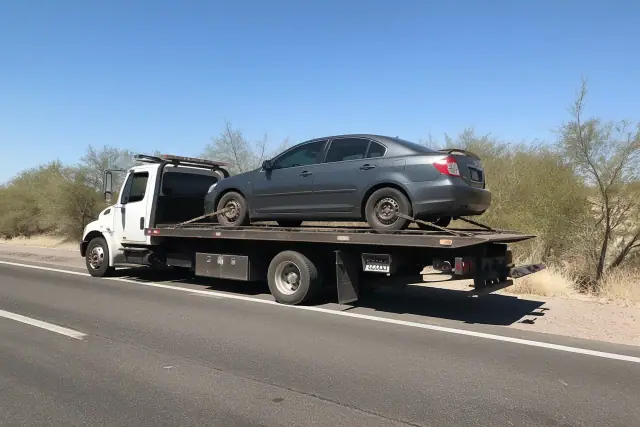
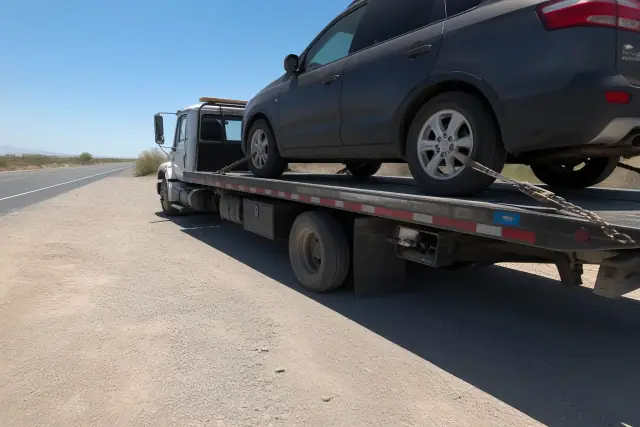
Flatbed truck hauling a disabled sedan on a busy roadside in Flowing Wells, AZ, surrounded by desert brush.

Flat tire changes, fuel delivery, battery testing, jump starts, and minor mechanical troubleshooting can often be handled where the vehicle is parked. Our trucks carry tools intended to get most roadside-assistance customers moving in under an hour when the problem does not require a tow.

Explore Service

Flatbed Towing

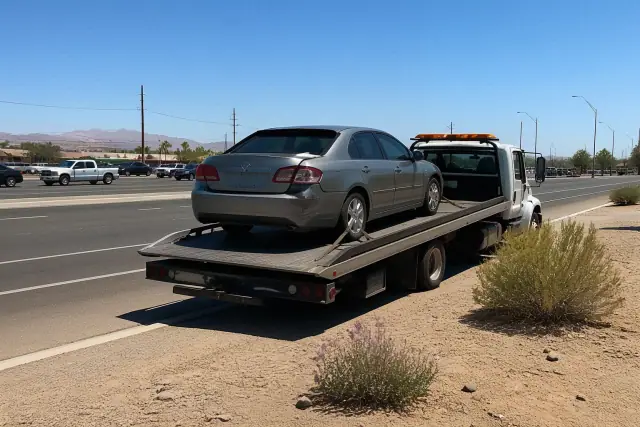
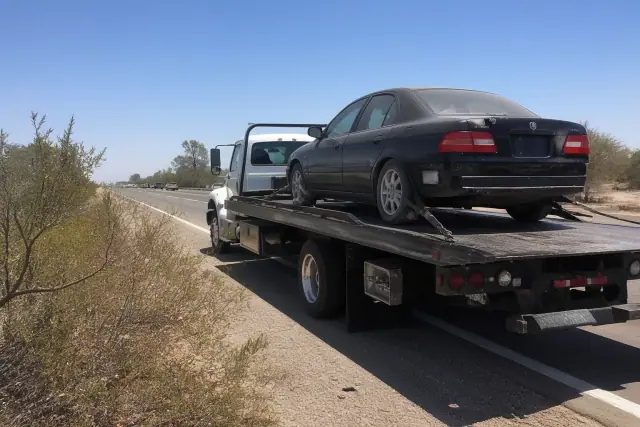
A flatbed tow truck with a secured sedan on a busy road in Flowing Wells, AZ, under bright desert sun.

Hydraulic flatbeds lift all four wheels off the road, helping avoid drivetrain wear on all-wheel-drive vehicles and providing clearance for lowered cars, luxury vehicles, and vehicles with aftermarket ground effects. The loading method is selected after the operator assesses vehicle condition and access.

Explore Service

Motorcycle Towing

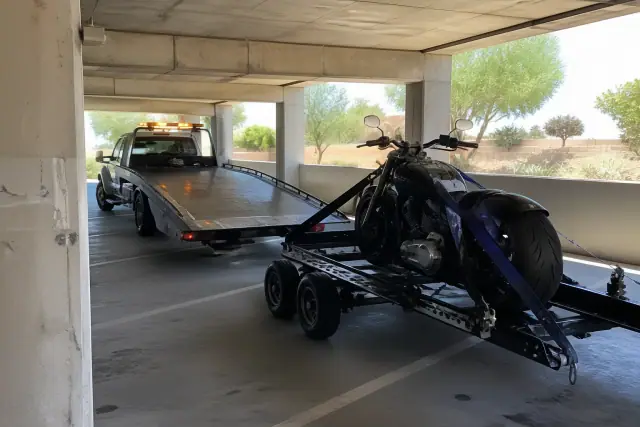
A tow truck maneuvering a motorcycle on a trailer in a concrete parking garage in Flowing Wells, AZ.

Motorcycle towing uses a flatbed, specialized wheel chocks, and soft-tie strapping to stabilize the bike without scratching the tank or bending levers. This equipment is suited to roadside breakdowns, scheduled transports, and trailer swaps.

Light Duty Towing

Flatbed tow truck carrying a disabled sedan on the shoulder of a road in Flowing Wells, AZ.

Wheel-lift and flatbed equipment handles sedans, hatchbacks, and compact SUVs across Flowing Wells residential streets. Light duty towing is used for vehicles up to roughly 10,000 pounds, with the hookup method chosen for the vehicle and its condition.

Medium Duty Towing

A flatbed tow truck with a disabled sedan on the highway shoulder in Flowing Wells, AZ with desert brush in the background.

Full-size pickups, cargo vans, and small box trucks need reinforced tow arms and higher-capacity winches. Medium duty equipment supports these heavier gross vehicle weights without relying on a light duty rig that may strain the undercarriage or suspension.

Heavy Duty Towing

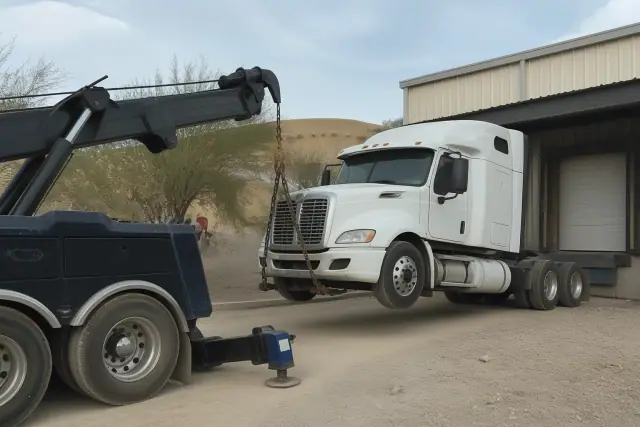
Heavy-duty wrecker truck lifting a commercial semi-truck at an industrial loading dock in Flowing Wells, AZ.

Commercial trucks, RVs, and dually pickups may require heavy duty rotators or tandem-axle carriers. These units are designed for loads well above 26,000 pounds and are dispatched for commercial fleet and frontage-road breakdowns when vehicle class requires them.

Accident Recovery

A flatbed tow truck recovering a disabled sedan on the side of a busy road in Flowing Wells, AZ.

Accident recovery can involve winching, recovery boards, debris cleanup, and fluid containment under Pima County environmental guidelines. Crews work within the traffic-control perimeter established by the Tucson Police Department or Pima County Sheriff's Department when either agency is on scene.

Long Distance Towing

Vehicle secured with safety chains and straps on a flatbed trailer in Flowing Wells, AZ.

Long distance towing covers intrastate and interstate vehicle transport, including routes to Phoenix, Casa Grande, and destinations beyond Arizona. Quotes are calculated by mileage and vehicle class so the cost structure is clear before the truck leaves the yard.

Car Lockout & Jump Start Service

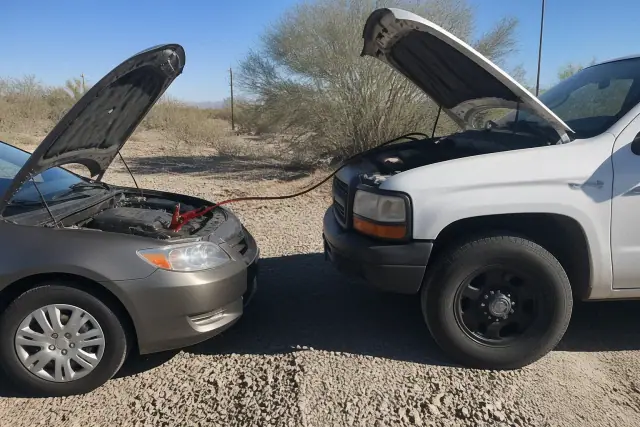
A service truck jump-starting a sedan on a gravel lot in Flowing Wells, AZ, under bright desert sunlight.

Non-destructive entry tools help open modern electronic and mechanical vehicle locks without damaging window seals or door panels. For jump starts, crews carry heavy-duty jump boxes suited to V8 trucks and diesel engines; this matters because Arizona heat can reduce battery life to two or three years instead of five.

Choosing a Tow

How to Choose the Right Towing Option in Flowing Wells

The right service depends on whether the vehicle can be repaired where it sits, its weight and drivetrain, scene access, ground conditions, and the destination. Sharing those details during intake helps dispatch select suitable equipment instead of changing trucks after arrival.

Right Truck for the Vehicle

A sedan, motorcycle, cargo van, RV, and commercial truck each need a different equipment class. Describe the vehicle accurately so dispatch can choose light, medium, heavy duty, or motorcycle-capable equipment.

Safe Hookup Method

Vehicle condition, drivetrain, and ground clearance determine whether a wheel-lift, flatbed, or winch recovery is appropriate. All-wheel-drive and low-clearance vehicles often benefit from a flatbed that keeps every wheel off the road.

Vehicle Weight Class

Gross vehicle weight affects tow-arm, carrier, and winch requirements. Full-size pickups, box trucks, RVs, and commercial vehicles should be matched to equipment built for their load rather than a standard light duty truck.

Road and Ground Conditions

A routine paved-street tow differs from a wash recovery on soft, saturated ground. Tell dispatch about flooding, mud, tight turns, alley access, traffic exposure, or an HOA-restricted lot before the truck arrives.

Tow Distance and Destination

Confirm whether the vehicle is going to a home, repair shop, dealership, or a long-distance destination before loading. Mileage and destination affect routing, transport method, and the quote.

Clear Upfront Pricing

Ask how vehicle class, mileage, time of day, and specialized equipment affect the charge. Winch-out or off-road recovery fees should be explained before work begins, followed by an itemized invoice and receipt.

Flowing Wells Roadside Issues

Common Towing Problems in Flowing Wells

Desert heat, monsoon water, busy arterial traffic, older vehicles, and mixed residential-industrial access create several distinct roadside situations in Flowing Wells. Identifying the immediate hazard and vehicle condition helps the operator choose a safe response.

Request Roadside Help

Heat-Weakened Batteries

Prolonged Arizona heat accelerates battery degradation and can leave a vehicle unable to start in a driveway, shopping lot, or along a commuter route. Battery testing and a heavy-duty jump box can determine whether roadside help is enough.

Cooling-System Overheating

Slow traffic and extreme summer temperatures put extra load on vehicle cooling systems. If a vehicle overheats, a tow may be safer than attempting to continue toward a repair shop.

Tire Trouble on Hot Pavement

Pavement on Flowing Wells Road and Ruthrauff Road can climb past 150 degrees in summer, increasing stress on tires and exposing stranded drivers to severe roadside heat. A tire change or tow gets the vehicle out of that setting.

Monsoon Wash Recoveries

Seasonal flooding can close low-water crossings and strand vehicles in wash-heavy areas west of the Santa Cruz River. Soft, saturated ground may require winches and recovery boards rather than a standard paved-road hookup.

Tight Residential and Industrial Access

Narrow older streets, alleys, industrial yards, and restricted lots can limit a tow truck's approach angle. Local knowledge of the Flowing Wells Road corridor and rail-line areas helps drivers plan access before positioning the truck.

Accident and Highway Recovery

Collisions and disabled vehicles on Miracle Mile, Romero Road, and the I-10 frontage roads create traffic exposure in addition to vehicle damage. These calls may require priority routing, extraction equipment, debris cleanup, and coordination with responding agencies.

Why Choose Us

Why Choose Tucson Towing Co. in Flowing Wells?

Professional towing depends on more than sending the nearest truck. Local route knowledge, properly matched equipment, required commercial driver licensing, commercial auto liability coverage, documentation, and clear pricing all help protect the vehicle and the people around it.

Flowing Wells Street Knowledge

Drivers familiar with Flowing Wells Road, La Cholla Boulevard, Ruthrauff Road, Miracle Mile, the rail corridor, and surrounding residential access points can approach a scene from a practical direction instead of relying on GPS alone.

Licensed and Insured Operations

Operators carry the Arizona commercial driver licensing required for the vehicle classes they operate, and the fleet carries commercial auto liability coverage appropriate for towing work. Documentation is available on request.

Documented, Safety-Focused Service

Operators photograph vehicles before and after loading, confirm the destination, explain applicable charges, and provide an itemized paper or digital receipt. Trucks are also maintained on a regular service schedule to reduce equipment problems during a job.

Simple Process

Our Emergency Towing Process in Flowing Wells

Each call follows a clear sequence from intake through receipt. Accurate information at the beginning helps the dispatcher send appropriate equipment and helps the operator complete the hookup safely on scene.

01.

Share Your Location and Vehicle

Tell the dispatcher where the vehicle is, what type of vehicle you have, and what happened. Mention traffic exposure, soft ground, collision damage, low clearance, or access restrictions.

02.

Match the Truck to the Call

Dispatch uses the vehicle and scene details to select wheel-lift, flatbed, winch recovery, motorcycle, medium duty, or heavy duty equipment. The dispatcher then gives an arrival window based on current truck positions.

03.

Receive Driver Updates

The assigned driver calls while en route and again on arrival. Those updates confirm that help is moving toward the correct location and give you a direct point of contact.

04.

Assess and Document the Vehicle

On scene, the operator checks vehicle condition, surrounding hazards, and the safest loading method. Before-and-after photographs record existing damage and the vehicle's condition during the tow.

05.

Confirm the Destination and Transport

Before loading, the operator confirms whether the vehicle is going to your home, a repair shop, a dealership, or another destination. The vehicle is then secured using the selected hookup or carrier.

06.

Review Charges and Receive a Receipt

Payment is handled on site with clear, itemized pricing. You receive a paper or digital receipt that reflects the disclosed charges and destination.

Service Results

Practical Towing Outcomes for Local Drivers & Businesses

Case Study 1: Roadside Resolution: Flat tire changes, fuel delivery, battery testing, and jump starts can solve many problems where the vehicle is parked, avoiding an unnecessary tow when conditions allow.

Case Study 2: Protected Vehicle Transport: A hydraulic flatbed keeps every wheel off the pavement for low-clearance, luxury, and all-wheel-drive vehicles, while wheel chocks and soft ties secure motorcycles.

Case Study 3: Complex Recovery Support: Higher-capacity winches, recovery boards, medium duty carriers, and heavy duty units support damaged vehicles, soft-ground recoveries, fleet vehicles, RVs, and commercial trucks.

24/7 Dispatch

Request Emergency
Towing in
Flowing Wells

Call with your location, vehicle type, and a short description of the problem. Dispatch will identify the equipment needed, provide a realistic arrival window, and explain how vehicle class, mileage, time of day, or recovery work affects the quote before the truck is sent.

Towing Help

FAQs About Towing in Flowing Wells, AZ

These answers cover pricing factors, arrival expectations, vehicle types, Arizona towing rules, and the roadside and recovery services available in Flowing Wells. Call dispatch for details tied to your exact vehicle and location.

Call Towing Dispatch

Industry-wide J.D. Power data puts typical towing at $35 to $125 for five miles or less, $125 to $275 for up to 40 miles, and $600 or more for hauls approaching 100 miles. National averages are around $4.75 per mile, with a range of roughly $2.50 to $7 per mile depending on region and equipment. Your actual quote depends on vehicle size, time of day, mileage, and whether a flatbed, rotator, or winch-out is needed.

Arrival time depends on current truck locations, traffic on roads such as Flowing Wells Road and La Cholla Boulevard, call volume, and the equipment your vehicle needs. Trucks are positioned around the northwest Tucson service area, and dispatch provides a realistic window using current conditions. Accident and highway calls receive priority because a vehicle blocking traffic creates added risk.

Yes. Operators carry the Arizona commercial driver licensing required for the vehicle classes they operate, and the company maintains commercial auto liability coverage for towing operations. Licensing and coverage documentation can be provided on request.

Yes, same-day towing is the standard service for both urgent calls and routine vehicle transport. The 24/7 dispatch can route calls on weekdays, weekends, and overnight, while non-urgent moves can also be scheduled in advance.

The fleet supports motorcycles, sedans, hatchbacks, SUVs, full-size pickups, cargo vans, small box trucks, RVs, dually pickups, and commercial trucks. Equipment includes wheel-lift trucks, hydraulic flatbeds, motorcycle securement gear, medium duty carriers, heavy duty rotators, and tandem-axle carriers. Dispatch confirms vehicle class before assigning a truck.

Roadside assistance covers flat tire changes, fuel delivery, battery testing, jump starts, and minor mechanical troubleshooting. Many of these problems can be handled where the vehicle is parked, although vehicle condition and roadside safety determine whether towing is the better option.

A flatbed is often appropriate for all-wheel-drive, low-clearance, luxury, damaged, or modified vehicles because it lifts all four wheels off the road. The operator still assesses vehicle condition and scene access before choosing the final loading method.

Motorcycle towing uses specialized wheel chocks and soft-tie straps on a flatbed. This setup stabilizes the motorcycle without using contact points that can scratch the tank or bend levers.

Long distance towing is quoted by mileage and vehicle class, with the route and equipment confirmed before departure. Service covers interstate and intrastate trips, including Phoenix, Casa Grande, out-of-state moves, dealership transport, and project-car transport.

Depending on the scene, accident recovery can include winching, recovery boards, vehicle extraction, debris cleanup, and fluid containment under Pima County environmental guidelines. Crews coordinate with the Tucson Police Department or Pima County Sheriff's Department when those agencies are managing traffic at the scene.

Yes. Lockout service uses non-destructive entry tools for modern electronic and mechanical locks, while heavy-duty jump boxes can support V8 trucks and diesel engines. A standard lockout can be a smaller call, with $50 given as one example, but dispatch should confirm the actual charge for your vehicle and location before service.

Arizona Revised Statutes Title 28, Chapter 17 governs towing and vehicle impoundment. Requirements include conspicuous rate posting, itemized invoices, visible private-property signage, and timely law-enforcement notification for non-consensual tows. The Arizona Department of Transportation and local law enforcement oversee compliance.

Fee waivers are uncommon, but they may be possible when a tow lacked required signage, law-enforcement notification, or rate disclosure. Request an itemized invoice and compare it with the posted property sign. If the company cannot show compliance, a vehicle owner may contact the Arizona Department of Transportation or seek a hearing through the impounding agency.

Arizona does not have a statewide free roadside-assistance program. The Arizona Department of Transportation operates freeway service patrols on select major highways during peak periods at no direct charge to stranded drivers. Outside those patrol zones and hours, help generally comes through a private towing company or auto club membership.

Yes. Private-property towing is available for apartment communities, HOAs, and commercial lots in Flowing Wells. The service follows Arizona Revised Statutes signage and notification requirements so property managers can document compliance and vehicle owners receive the required information.