What Predatory Towing Means
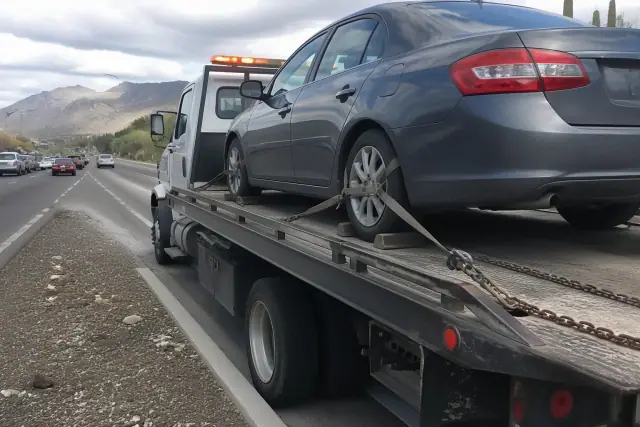
Predatory towing uses deception, coercion, unauthorized removal, or excessive charges when a driver has limited choices. Warning signs include arrival without a call, pressure to sign incomplete paperwork, a changing price, undocumented services, or refusal to release a vehicle or belongings without cash. The informal 80/20 rule is not a law; it describes the idea that a small share of operators produces a disproportionate share of complaints. Judge the specific tow by its authorization, documentation, pricing, and release practices.
Factors That Change the Answer
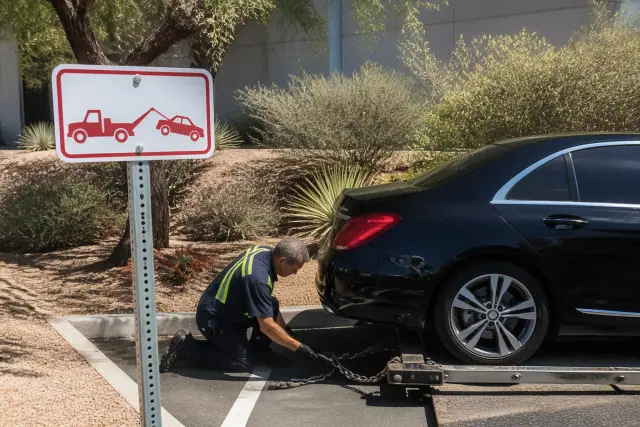
The situation changes depending on who authorized the tow, whether private-property signage was posted, what rate sheet was disclosed, and whether release procedures were followed. Arizona Revised Statutes Title 28, including Section 28-872, and Pima County rules provide context for certain private-property towing and storage disputes. A driver can also compare the truck, paperwork, US Department of Transportation number, and Arizona Corporation Commission registration information for consistency. In Tucson, preserve photographs and documents before contacting Tucson Police, the Pima County Sheriff's Department, or the Arizona Attorney General's consumer protection division when a tow appears unauthorized or deceptive.
Common Follow-Up Questions
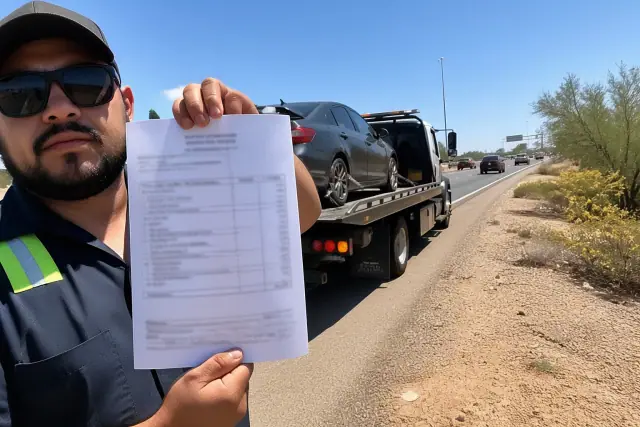
Drivers often ask what a tow should cost, what they need to release a vehicle, and where to challenge charges. Typical towing rates run $35-$125 for short-distance tows under 5 miles and $125-$275 for tows up to 40 miles; longer-distance and heavy-duty towing can cost more, so ask what mileage and equipment the quote includes. For release, bring proof of ownership and valid ID, request an itemized invoice, and ask to retrieve personal belongings. If authorization or charges cannot be documented, keep photos, the invoice, and a timeline, then dispute the bill directly before filing a complaint with the appropriate local or state authority.